
The wellbeing gap – why providing support isn’t always enough

When businesses think about employee wellbeing, it is easy to focus on what they provide.
Mental health support, employee assistance programmes, wellbeing initiatives and flexible benefits all have an important role to play. But having these provisions in place does not necessarily mean employees feel supported.
That is the challenge highlighted by recent research from Epassi UK, which found that 82% of employers believe they provide dedicated support for employee wellbeing, compared with just 67% of employees who say they feel supported.
For businesses, the question is not simply whether wellbeing support exists. It is whether it is making a difference to the people it is intended to help.
The difference between provision and experience
Most businesses understand the importance of employee wellbeing. Many have invested in initiatives designed to improve physical health, support mental health and help people manage the demands of working life.
But there can be a disconnect between what an employer believes it offers and what employees experience day to day.
A benefit might be available but difficult to access. A wellbeing programme might exist without employees knowing how to use it. Support might be provided, but the working environment itself could be making it difficult for people to look after their health.
Epassi’s research found a similar gap in physical activity, with 74% of employers saying they encourage employees to be active, compared with 53% of employees who feel they receive that encouragement.
These findings suggest that introducing a benefit is only part of the process.
Businesses also need to consider whether their people know about the support available, whether it is relevant to their circumstances and whether they have the time and opportunity to make use of it.
Support only works when employees can actually experience it.

Wellbeing starts with the working environment
There is another consideration that can be overlooked when businesses develop their wellbeing strategies.
The everyday experience of work matters just as much as the formal support available.
An employee might have access to mental health resources, for example, but still face an unmanageable workload. A business might promote a healthy work-life balance while expecting people to remain available outside working hours.
These are not necessarily problems that another employee benefit can solve.
Workload, management practices, job design, working hours and workplace culture all influence how people feel at work. If these underlying conditions are contributing to stress or exhaustion, additional wellbeing initiatives may only address part of the problem.
The Health and Safety Executive’s guidance on work-related stress highlights the importance of identifying and addressing the workplace factors that can contribute to stress, rather than focusing solely on helping employees cope with its effects.
That does not make employee benefits less valuable. It means businesses need to look at the wider picture.
Rather than focusing exclusively on how employees can manage the demands of work, organisations should also consider whether those demands are reasonable in the first place.
The CIPD’s guidance on health and wellbeing at work provides further insight into the role employers can play in supporting employee wellbeing.
Small things still matter
The wider challenges of workplace wellbeing should not overshadow the smaller details that shape the working day.
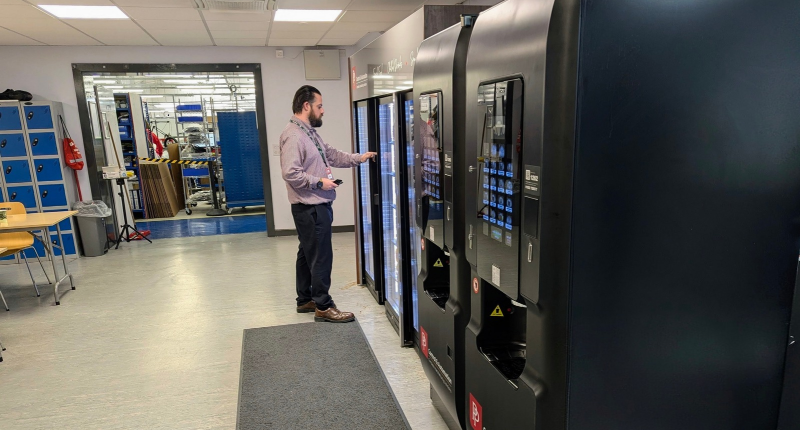
Having somewhere comfortable to take a break. Access to filtered drinking water throughout a shift. Being able to get a decent coffee or something to eat without leaving the site.
These may seem relatively minor compared with formal wellbeing programmes, but they influence the environment people spend much of their lives in.
A proper break will not resolve excessive workloads, and better refreshment facilities cannot replace meaningful mental health support. However, both can contribute to making the working day more comfortable and manageable.
For employees working long or irregular shifts, reliable access to food and drinks can be particularly important. In offices, comfortable break areas and convenient refreshments can give colleagues a reason to step away from their desks, recharge and interact with one another.
These everyday experiences are unlikely to transform wellbeing on their own. But they form part of the wider picture of how a business treats its people.
The aim should be to combine meaningful support with an environment that helps people feel supported in practice.
One size doesn’t fit every workforce
Another challenge for employers is recognising that different people need different things.
A benefit that works well for an office-based employee may be less useful to someone working nights in manufacturing. Employees working across multiple sites may have different needs from those based at a single location, while hybrid working creates its own challenges around access and inclusion.
Epassi’s research highlights the importance of understanding these differences rather than assuming that a single approach will work for everyone.
For businesses, that means looking beyond the benefits package itself and asking how support fits into the reality of employees’ working lives.
Are night-shift workers able to access the same facilities as daytime teams? Can employees take breaks when they need them? Are wellbeing resources available to people working away from head office? Do the benefits on offer reflect what employees actually value?
These questions can help organisations identify gaps that might otherwise go unnoticed.
They also reinforce the importance of listening to employees. Feedback, conversations with managers and a better understanding of how people use workplace facilities can all help businesses identify where improvements would make the greatest difference.
Listening to employees is an important part of this process. Acas guidance on health and wellbeing at work offers further advice for employers looking to understand and support the needs of their workforce.
For businesses, improving employee wellbeing does not necessarily mean introducing more initiatives or spending more money.
Sometimes, it starts with understanding what is already in place and whether it is working as intended.
That could mean making existing benefits easier to access, reviewing workloads, improving communication or creating more opportunities for employees to take proper breaks.
It could also mean looking more closely at workplace facilities and whether they meet the needs of the people using them.
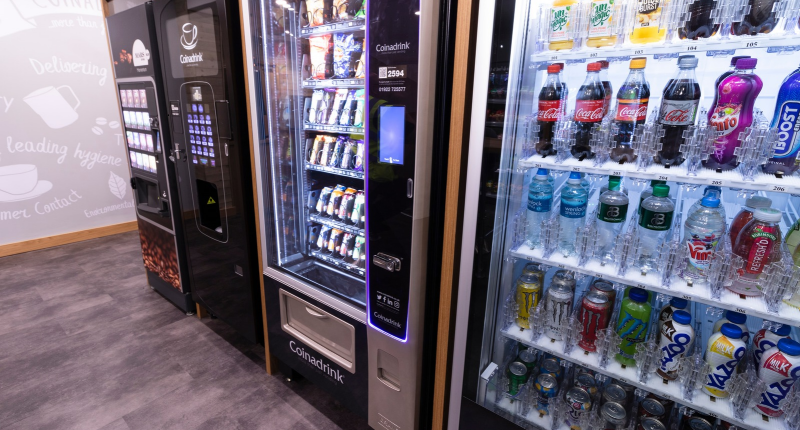
Refreshment provision is one example. From coffee machines and water coolers to fully managed vending, Micro Markets and Smart Fridges, the right facilities can make it easier for employees to access food and drinks throughout the working day.
The important consideration is not simply what equipment a business installs, but how it fits into the wider working environment and the needs of its workforce.
For facilities managers and business leaders, this is an opportunity to look at the workplace from the employee’s perspective rather than focusing solely on what is provided.
Closing the gap
Employee wellbeing is too important to measure only by the number of benefits a business offers.
Policies, programmes and resources all have a role to play, but they need to sit alongside a working environment that allows people to feel supported, take breaks and manage the demands of their jobs.
The research from Epassi highlights a clear difference between employer intentions and employee experiences. Closing that gap requires businesses to understand not just what they provide, but how their people experience it.
That means listening, reviewing what works and being prepared to make changes where necessary.
Ultimately, the question is not simply “What are we doing to support employee wellbeing?”
It is “Do our employees feel that support in their everyday working lives?”
For businesses looking to create a healthier, more positive workplace, that may be the most important place to start.

Leave a Reply
Want to join the discussion?Feel free to contribute!